

How Does a Drip Coffee Maker Work?
Drip coffee makers might not be the fanciest of brewing methods however they offer reliable and consistent coffee at the push of the button. They use multiple components, including water reservoir and filter basket, a carafe and showerhead to extract the best flavors and oils from the grounds.
Pick a drip coffee maker that comes with extra features like adjustable features that can be programmed, adjustable settings and a self-cleaning mode to customize your morning coffee.
The Drip Area
The core of a drip coffee maker is a reservoir of water and a heating element. Once the water reaches the temperature that is ideal for extraction of coffee (typically between 192 and 205 degF) it is transported through tubes to the drip area or showerhead which is where it's dispersed evenly over the ground coffee beans. The hot water and the grounds of the coffee extract flavors, oils and caffeine. The mixture flows through the filter and into a carafe beneath.
Some models feature thermally induced pressure, which can enhance the extraction process. This results in an enhanced flavor profile. This is usually appreciated by those who want a stronger cup of coffee. Some prefer the convenience of a built-in grinder which can grind whole beans before making coffee to ensure consistency and the best flavor. Finally, many people like a clean-up feature, which allows the machine to run a cleaning process after every use.
Capacity The capacity of drip coffee makers will vary from single-serve options to larger models that can make 10 or 14 cups at once. The best choice is based on the amount of people who drink coffee in your home, as well as your personal preferences. If you're a coffee lover who appreciates strong coffee, go for an automatic drip maker that has adjustable strength settings.
Programmability: Some drip-coffee makers have programmable features, which allow you to program an exact time at which the machine will start making coffee. This is an excellent option for those who like the feeling of waking up to a freshly made cup of coffee.
Design and material of carafe. The style and the material of a drip coffee machine's carafe are important, especially in terms of durability. Choose a sturdy glass or thermal carafe with an ergonomic handle that's easy to carry and pour.
Some models have an optional filter basket that can be cleaned by washing it in the dishwasher. This is much easier than traditional paper filters. Some models feature a metal mesh filter that blocks coffee grounds from getting into your final cup.
The Hot Plate
The hot plate helps keep the water at a constant temperature throughout the brewing process, and also helps keep your coffee warm after it's been brewed. It is important to clean the hot plate after every drink to remove any spilled or burnt-off coffee stains and oil. The majority of stains can be eliminated with a simple wipe, but stubborn stains will require scrubs using baking soda and a sponge. To prevent stains it is a good idea also to wipe the carafe regularly each time you use it.
A one-way valve (usually located in the hole or in the aluminum heating tube) stops the boiling water from escaping back into the reservoir or out of the white tube. With the help of gravity and a simple heating device this valve turns a handful of coffee grounds and tiny amount of water into a mug full of hot, steaming coffee.
Most drip coffee makers have various advanced features that will ensure you get the best results. filter coffee machine how to use let you select the strength of your coffee, while others have a built-in grinder or different ways to brew. They can be programmed for specific times and have sensors that alert you when to pour.
It's important to play around with different ratios and water amounts until you find the best one for you. Two tablespoons of coffee ground for six ounces water is a good starting point, but you should also weigh the coffee and water to make sure you don't use too little.
Many of the most well-known drip-coffee makers can be programmed. This means that you can set them up to automatically brew coffee in the morning before your day starts. This is especially useful for those with a busy schedule and don't want not brew your coffee before heading out the door. Some models have an alarm clock with a digital format that will wake you up to the radio station you like best.
The Carafe
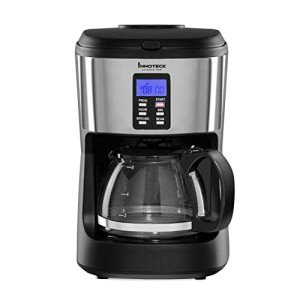
The carafe will hold your coffee until it's ready to be poured. Idealy, it should be insulated so that the coffee stays hot for several hours. Some carafes are made out of glass, while others are made of stainless steel glass, which is the most popular choice for home coffee makers. Certain models come with cups made of plastic, which are easier to clean and lighter.
When choosing a drip coffee maker, you need to consider a number of aspects. The carafe is important for how long your coffee will stay hot. Temperature of water, distribution of water and control over the brewing parameters are all vital to the taste of your coffee. The top carafe models ensure consistent temperature and dispersion to ensure that your grounds are soaking wet.
When it comes to choosing a drip coffee maker you'll want to consider the size of your family and how often you'll need to caffeinate. A larger capacity machine could be the best choice for you if you entertain guests frequently. If you have a large family and many children A smaller machine might be better suited.
When you browse through models for coffee makers, think about the features and levels of customization of each. Some machines are equipped with a backlit LCD screen as well as 24-hour programmability, and the option to brew one to four cups instead of a complete pot. Other features could include self-cleaning cycles, a freshness counter and an automatic shut-off.
Cuisinart, Black+Decker and other brands are highly rated in our reviewers. They have a wide selection of coffee makers that are highly rated, including models that use K-Cups or models with an integrated grinder. Both brands produce large-capacity coffee makers that are ideal for families and households that require to serve a lot of people regularly. Their thermal carafes will keep a large quantity of coffee hot for a long time after brewing is finished, so there's no need to be concerned about your first cup of coffee getting cold.
The Heating Element
When you press the power switch on your coffee machine, a resistive heater begins to convert electrical energy into heat. This heats the white, aluminum water tube until it reaches the ideal temperature for extraction of coffee.
The hot water is then dispersed evenly over the ground coffee by the showerhead. The hot water will soak into the ground coffee beans and extract the flavor and oils.
Once the grounds have been sufficiently saturated, they begin to drip into the carafe. This process is largely influenced by gravity, but also by the water to coffee ratio, the size of the coffee beans, as well as the temperature of brewing. This combination results in an equilibrating taste that is unique for every coffee maker.
If you find that your coffee maker isn't making the same amount of coffee as it once did it could be due to a blockage in one of the machine's tubes. This is particularly common in smaller models, since the heating element of aluminum can become easily blocked by mineral deposits. This issue can be easily solved: Run the water tank using vinegar until it runs dry to remove the obstruction. After doing so, run the machine again with coffee and a filter to rinse out the vinegar.
No matter what kind of coffee maker you own, it is important to know how it operates and the role each component plays in the coffee making process. This knowledge can help you make the perfect cup of coffee every time you make use of your coffee maker.
The simplest drip coffee makers have the base plate, a reservoir that holds water, as well as an electric heating element and showerhead which distributes hot water over the grounds of the coffee. Coffee makers with more advanced technology can offer additional features, like self-cleaning cycles. Furthermore certain coffee makers make use of thermally induced pressure to enhance the extraction of flavor and provide a richer, more full-bodied coffee. A good coffee bean grinder, filter, and grinder are crucial to making the perfect cup of coffee.